


Written By
Nick Raffoul
Nick Raffoul is the Founder and Lead Analyst at Best Canadian Stocks. He graduated with a degree in Business Administration, has over a decade of writing experience, and grew his personal portfolio 153% from 2020 to 2024.
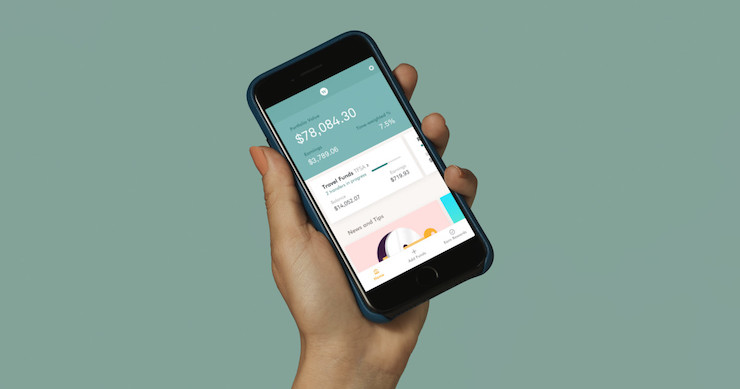
In Canada, stock trading apps like Questrade and Wealthsimple have made it easy for investors to manage their portfolios on the move. Thanks to instant deposits and a seamless mobile trading experience, investors can capitalize on opportunities from their smartphones with the click of a button. Read on to learn more about the best Canadian stock trading apps to buy and sell securities, crypto, options, and more.
In the digital age, the stock market has become more accessible than ever before. With the rise of stock trading apps, Canadians now have the convenience of managing their investments right from their smartphones. Below, we’ll break down the best Canadian stock apps based on their features, benefits, user experiences, fees, and more.
How To Buy & Sell On The Best Stock Trading Apps In Canada
In 2025, the best stock apps make it easy to buy and sell Canadian stocks.
In just four easy steps, residents can receive free cash to invest in the best Canadian stocks and start their journey toward financial freedom.
At Wealthsimple, new users can simply sign up, add funds, make a trade, and receive $10 in free cash to buy the best Canadian stocks.
Check out our step-by-step guide on how to buy the best Canadian stocks right now.
How To Sign Up For A Stock Trading App In Canada
- Click here to sign up for a Questrade account
- Fill out the required documents with accurate personal information
- Add funds to your Questrade account
- Receive a $50 trade commission rebate to invest in the best Canadian stocks
Disclaimer: We may receive compensation when you sign up using our link.
How To Buy & Sell Stocks In Canada
- Type in the company name or ticker of the stock that you want to buy
- Select the type of order (Market, Limit, etc.)
- Input the number of shares that you’d like to buy and the share price, if necessary
- Press “Buy” and confirm your order
Top-10 Canadian Stock Trading Apps 2025
- Questrade — $50 in free trades for new non-registered accounts
- Wealthsimple — $10 in free cash added to your non-registered account
- Interactive Brokers – Earn up to 1.83% USD on idle cash balances
- CIBC – Free trades for investors aged 18-24
- Desjardins – Free investment training and analytics tools
- BMO — New self-directed accounts can get up to $2,000 cash back
- TD Direct — Trusted Canadian stock app for registered and non-registered accounts
- Scotia Trade — Trade the best Canadian ETFs with zero commission
- QTrade — Great stock app for Canadians aged 30 and under
- RBC — $50 in free trades, plus a terrific loyalty program
Reviewing The Best Canadian Stock Trading Apps 2025
The best stock trading apps have revolutionized the way Canadians approach growing their wealth by providing easy access to user-friendly interfaces, advanced features, and powerful tools for traders of all experience levels.
Questrade tops our list of the best apps for trading Canadian stocks. With low fees, excellent research tools, and an intuitive user interface, Questrade has established itself as one of the top stock apps in Canada for traders of all experience levels.
For users that want to buy and sell Canadian stocks for free, Wealthsimple is a great place to get started. New users can sign up and buy or sell Canadian stocks without paying any commission fees.
Below, we’ll review the top stock trading apps in Canada and rank them based on their features, capabilities, fees, user interfaces, customer support, and more.
1. Questrade — $50 in free trades for new non-registered accounts
Questrade is a well-established name in Canada. Known for its powerful trading platform and extensive investment options, Questrade offers a comprehensive suite of features for both beginners and experienced investors. Here are some key reasons why Questrade stands out:
Questrade is known for its competitive pricing structure. The platform offers low trading fees, with the option for commission-free ETF purchases. This allows investors to minimize costs and maximize returns.
One of Questrade’s standout features is its extensive selection of commission-free ETFs (Exchange-Traded Funds). This allows investors to build a diversified portfolio while saving on trading fees. With access to over 100 commission-free ETFs, Questrade offers a cost-effective solution for long-term investors.
Questrade also offers advanced trading platforms to cater to different investor needs. The flagship platform, Questrade IQ Edge, provides advanced charting tools, customizable layouts, and real-time market data. It is ideal for active traders who require in-depth analysis and fast execution. Additionally, Questrade also offers a user-friendly mobile app, Questrade Mobile, for on-the-go trading and portfolio management.
Questrade supports various registered accounts, including Tax-Free Savings Accounts (TFSAs), Registered Retirement Savings Plans (RRSPs), and First Home Savings Accounts (FHSA). This makes it a suitable choice for investors looking to optimize their tax efficiency and plan for long-term financial goals.
2. Wealthsimple — $10 in free cash added to your non-registered account
Wealthsimple has gained significant popularity in Canada as a leading robo-advisor platform. It focuses on simplicity, low fees, and automation, making it an attractive choice for both new and experienced investors.
Wealthsimple’s robo-advisor service simplifies the investment process for beginners. By answering a few questions about their financial goals and risk tolerance, users can create a personalized portfolio managed by a team of experts. Wealthsimple’s algorithm automatically rebalances the portfolio to maintain the desired asset allocation, ensuring that investments stay aligned with the investor’s objectives.
Wealthsimple Trade is the self-directed trading platform offered by Wealthsimple. This commission-free platform allows users to buy and sell stocks and ETFs directly from their mobile devices. With its user-friendly interface and straightforward design, Wealthsimple Trade is an excellent option for DIY investors who prefer a seamless and hassle-free trading experience.
Wealthsimple also offers socially responsible trading options, such as Halal ETFs and portfolios with a focus on environmental, social, and governance (ESG) factors. This feature allows investors to align their investments with their values and contribute to positive change.
Like Questrade, Wealthsimple allows Canadians to buy stocks in a wide range of accounts, including RRSP, TFSA, and more.
3. Interactive Brokers – Earn up to 1.83% USD on idle cash balances
Interactive Brokers caters to active traders who require advanced trading tools and a wide range of investment products.
Interactive Brokers offers a suite of advanced trading platforms designed to meet the needs of professional traders. The Trader Workstation (TWS) provides access to over 135 markets worldwide and offers advanced order types, real-time monitoring, and customizable trading interfaces. The mobile app, IBKR Mobile, enables traders to manage their accounts and execute trades on the go.
Interactive Brokers is known for its competitive pricing structure. With low fees, IBKR is an excellent place to buy and hold the best Canadian bank stocks for the next 10 years. The platform offers low commissions, particularly for high-volume traders. With its cost-effective pricing, Interactive Brokers appeals to active traders looking to optimize their trading costs.
4. CIBC Investor’s Edge – Free trades for investors age 18-24
CIBC Investor’s Edge is a user-friendly stock trading platform offered by the Canadian Imperial Bank of Commerce.
CIBC Investor’s Edge features an intuitive design and navigation, making it easy for investors to access their accounts, monitor portfolios, and execute trades. The platform offers a seamless user experience across different devices, including desktop and mobile.
CIBC Investor’s Edge offers competitive pricing for trading commissions, making it an attractive choice for cost-conscious investors. The platform provides a transparent fee structure, ensuring that investors can keep their trading costs in check.
CIBC Investor’s Edge offers educational resources and insights to help investors expand their knowledge and make informed decisions. These resources include educational articles, webinars, and market research reports. Investors can stay updated on market trends and access valuable information to support their investment strategies.
5. Desjardins Online Brokerage – Free investment training and analytics tools
Desjardins, one of the largest financial institutions in Canada, offers one of the leading stock trading apps in Canada.
The Desjardins stock app combines seamless account integration, excellent research tools, and extensive market access into a user-friendly interface that is perfect for traders of all experience levels.
Desjardins Online Brokerage provides access to a wide range of investment products, including stocks, options, ETFs and mutual funds filled with the best blue-chip stocks. Investors can build diversified portfolios and explore different investment opportunities to meet their financial goals.
The Canadian stock app offers research and analysis tools that enable investors to evaluate investment opportunities and monitor market trends. Users can access real-time quotes, news, and market data to make informed decisions.
At Desjardins, users can conveniently manage their accounts, transfer funds, and access account statements within the app. The online brokerage also integrates seamlessly with other Desjardins accounts, providing a unified view of investments and banking services.
6. BMO InvestorLine — New self-directed accounts can get up to $2,000 cash back
BMO InvestorLine is a popular choice among Canadian investors, known for its comprehensive features and reliable service.
BMO InvestorLine offers a wide range of research and analysis tools to help investors make informed decisions. These tools include real-time quotes, customizable charts, technical analysis indicators, and access to market research reports. With these resources at their disposal, investors can conduct a thorough analysis and stay updated on market trends.
One of the advantages of using BMO InvestorLine is its seamless integration with other BMO banking services. Users can easily transfer funds between their investment accounts and BMO bank accounts, making it convenient to manage finances and execute trades.
BMO InvestorLine provides portfolio analysis and reporting tools that give investors a comprehensive view of their investments. Users can assess the performance of their portfolios, track gains and losses, and generate detailed reports for tax purposes. These features make it easier for investors to evaluate their investment strategies and make necessary adjustments.
7. TD Direct — Trusted Canadian Stock Trading App For Registered and Non-Registered Accounts
TD Direct offers a full suite of investment products and services to meet the needs of Canadians.
The TD app provides access to a wide range of securities, including Canadian penny stocks, ETFs, options, mutual funds, and fixed-income securities. With its comprehensive product offerings, investors have the flexibility to diversify their portfolios and explore various investment strategies.
Like other top Canadian stock trading apps, offers a wealth of educational resources to help investors build their knowledge and make informed decisions. These resources include articles, videos, webinars, and interactive tools.
TD’s educational platform, TD Learn, provides valuable insights into stock market concepts, strategies, and trends.
TD Direct offers professional advice and support through its team of investment advisors. Investors have the option to consult with advisors for personalized recommendations and guidance tailored to their financial goals. This level of support can be beneficial, especially for those who prefer expert assistance in managing their investments.
8. Scotia Trade — Trade The Best Canadian ETFs With Zero Commission
Scotiatrade, offered by Scotiabank, has established itself as one of the best stock trading apps in Canada that provides a range of features and tools for investors.
Scotiatrade offers advanced trading features, including real-time streaming quotes, customizable charts, and technical analysis tools. These features allow investors to analyze market trends, track their investments, and make informed trading decisions.
Scotiatrade provides access to extensive research and analysis resources, including market research reports, analyst recommendations, and financial news. Investors can stay informed about market developments and use this information to assess investment opportunities.
Scotiatrade seamlessly integrates with other Scotiabank accounts, making it convenient for users to transfer funds between accounts and manage their finances. The app provides a unified view of investment and banking accounts, simplifying the overall user experience.
9. QTrade Direct — Great Stock App For Canadians Age 30 and Under
QTrade is a popular stock trading platform known for its user-friendly interface and comprehensive list of features.
As one of the leading stock apps in Canada, QTrade offers a clean and intuitive user interface, making it easy for investors to navigate the app and execute trades. The platform provides a seamless trading experience, whether users are accessing it via desktop or mobile devices.
Similar to Questrade, QTrade provides access to a wide range of investment options, including Canadian dividend stocks, mutual funds, and ETFs, allowing investors to diversify their portfolios and tailor their investments to their specific goals and risk tolerance.
Perhaps most importantly, the Canadian stock app empowers users to make informed investment decisions. QTrade offers educational resources to help investors enhance their knowledge and skills, including articles, tutorials, and webinars that cover various investment topics and strategies.
10. RBC Direct — $50 in Free Trades, Plus Terrific Loyalty Program
RBC Direct, offered by the Royal Bank of Canada, is a trusted stock trading platform that provides a comprehensive range of features and services.
One of the top stock apps in Canada, RBC Direct seamlessly integrates with other RBC accounts, allowing users to manage their investments and banking services in one place. The platform offers convenient features like fund transfers, bill payments, and account balance monitoring.
RBC’s stock app also provides Canadians with a suite of tools and research resources to assist investors in making informed decisions. These include stock screeners, market analysis, and research reports. Investors can access real-time quotes, historical data, and fundamental analysis to evaluate investment opportunities.
Unlike other major stock apps, RBC Direct offers access to a team of investment advisors who can provide personalized advice and recommendations. Users have the option to consult with experts to gain insights into their investment strategies and receive guidance based on their financial goals.
Comparing The Best Stock Apps in Canada
| Stock App | Key Features | Supported Platforms | Commission Fees | User Ratings |
|---|---|---|---|---|
| Wealthsimple Trade | No trading commissions, user-friendly interface, crypto & more | iOS, Android | $0 | ⭐⭐⭐⭐⭐ |
| Questrade | Wide range of investment options, advanced trading tools | iOS, Android | Varies (Free ETF purchases) | ⭐⭐⭐⭐⭐ |
| TD Direct | Research tools, access to TD’s market analysis, investment advice | iOS, Android | $9.99 – $29.00 per trade | ⭐⭐⭐ |
| CIBC Investor’s Edge | Low-cost trades, comprehensive research, and analysis | iOS, Android | $6.95 – $9.95 per trade | ⭐⭐⭐⭐ |
| BMO InvestorLine | Wide range of investment options, research tools, portfolio analysis | iOS, Android | $9.95 – $29.00 per trade | ⭐⭐⭐ |
How To Choose The Best Canadian Stock Trading Apps In 2025
Thanks to the rapid advancement of technology, stock trading apps have become more accessible than ever before.
However, with a number of different options available, it’s essential to select the right trading app that suits your needs and goals.
In this section, we will explore the key factors to consider when choosing a stock trading app in Canada.
From user-friendly interfaces and comprehensive trading capabilities to research resources, security measures, and customer support, we will guide you through the essential aspects that will help you make an informed decision.
Here are a short list of qualities and features to look for in the best stock apps to buy and sell Canadian stocks.
- User-Friendly Interface
- Trading Capabilities
- Research Resources
- Account Integration
- Security & Regulation
- Customer Support
- Fees & Commissions
- Availability & Compatibility
- User Reviews & Ratings
User-Friendly Interface
Before getting started, Canadians should look for a stock trading app that offers an intuitive and user-friendly interface. The app be easy to navigate, with clear menus and options for placing trades, tracking investments, and accessing research tools.
Trading Capabilities
Assess the app’s trading capabilities, including the ability to trade stocks, options, and other investment products. Check for real-time data, order execution speed, and order types available (market, limit, stop-loss, etc.).
Research Resources
Consider the app’s research tools and resources. Look for access to real-time market data, charts, news updates, analyst reports, and fundamental analysis tools to help you make informed investment decisions.
Account Integration
If you already have a brokerage account, ensure the app supports seamless integration with your existing account. This allows you to access and manage your investments across multiple platforms.
Security and Regulation
Prioritize apps that adhere to robust security measures and regulatory standards. Look for apps that offer two-factor authentication, encryption, and protection of your personal and financial information.
Customer Support
Evaluate the level of customer support provided by the app. It’s important to have access to responsive and knowledgeable customer service representatives who can address any issues or concerns you may have.
Fees and Commissions
Consider the fee structure associated with the app. Look for transparent pricing, competitive commissions, and a clear breakdown of any additional charges, such as account maintenance fees or inactivity fees.
Availability and Compatibility
Check if the app is available for your preferred device (smartphone, tablet) and operating system (iOS, Android). Ensure it offers a seamless and reliable experience on your chosen platform.
User Reviews and Ratings
Research user reviews and ratings for the app to gauge the overall user experience and satisfaction level. Consider both positive and negative feedback to get a well-rounded perspective.
Why Should Canadians Invest Using Stock Trading Apps?
Canadians should use stock trading apps for convenience, accessibility, and the ability to manage their investments on the go.
These apps provide real-time market data, easy trading options, and access to a wide range of investment opportunities, empowering Canadians to take control of their financial future
Below, we’ll compare the advantages and disadvantages of trading using the top stock apps in Canada.
| Advantages | Disadvantages |
|---|---|
| ✅ User-friendly interface | ❌ Limited functionality |
| ✅ Convenient and accessible | ❌ Connectivity and technical issues |
| ✅ Real-time market data | ❌ Small screen size |
| ✅ Quick trade execution | ❌ Potential distractions |
| ✅ Lower fees and commissions | ❌ Security concerns |
| ✅ Portfolio management tools | ❌ Lack of personalized advice |
| ✅ Flexibility and mobility | ❌ Learning curve for beginners |
| ✅ Access to research and educational resources | ❌ Dependency on mobile devices |
What Are The Advantages of Using Canadian Stock Trading Apps
Let’s delve deeper into the advantages of investing using the best Canadian stock trading apps.
- Accessibility
- User-Friendly Interface
- Real-Time Market Data
- Research and Analysis Tools
- Portfolio Management
- Cost-Effective
- Educational Resources
- Customer Support
Accessibility
Stock trading apps offer convenience and accessibility, allowing you to buy and sell stocks from anywhere at any time. With just a few taps on your smartphone, you can access the stock market and execute trades instantly.
User-Friendly Interface
The best stock trading apps provide intuitive and user-friendly interfaces, making it easy for both beginners and experienced investors to navigate and execute trades. These apps often offer streamlined processes, advanced charting tools, and customizable features to enhance your trading experience.
Real-Time Market Data
Stock trading apps provide real-time market data, including stock prices, charts, and financial news updates. This enables you to stay informed about market trends and make timely investment decisions.
Research & Analysis Tools
Many top stock trading apps offer research and analysis tools that provide insights, company profiles, financial data, and analyst reports. These tools can assist you in conducting thorough research and making informed investment choices.
Portfolio Management
Stock trading apps often include portfolio management features that allow you to track and manage your investments in one place. You can monitor your portfolio’s performance, set price alerts, and receive notifications about important market events.
Cost-Effective
Some stock trading apps offer commission-free or low-cost trading options, reducing the overall expenses associated with buying and selling stocks. This can be especially beneficial for frequent traders or investors with smaller portfolios.
Educational Resources
The best stock trading apps may provide educational resources such as tutorials, articles, and videos to help you enhance your trading knowledge and skills. These resources can empower you to make better investment decisions and grow as an investor.
Customer Support
Reputable stock trading apps offer reliable customer support channels, including phone, email, or live chat. If you encounter any issues or have questions regarding your trades or account, prompt and helpful customer support can provide valuable assistance.
What Are The Disadvantages of Using Stock Trading Apps in Canada
Next, we’ll go over some of the disadvantages of using Canadian stock apps in greater detail.
- Limited Functionality
- Connectivity & Technical Issues
- Small Screen Size
- Potential Distractions
- Security Concerns
- Lack of Personalized Advice
- Learning Curve for Beginners
- Dependency on Mobile Devices
Limited Functionality
Some stock trading apps may have limited features compared to desktop trading platforms. Advanced trading options, complex order types, and in-depth analysis tools may be more readily available on traditional platforms. If you require advanced trading capabilities, you may find the mobile app limitations restrictive.
Connectivity & Technical Issues
Stock trading apps rely on stable internet connections and can be susceptible to technical glitches or outages. In some cases, app performance may be affected during high market volatility or peak trading times. It’s important to have alternative means of accessing your investments in case of connectivity issues.
Small Screen Size
Trading on a mobile app means working with a smaller screen compared to a desktop or laptop. This can make it challenging to analyze complex charts, perform detailed research, or view multiple indicators simultaneously. The smaller screen size may limit your ability to conduct a thorough analysis, especially for active or advanced traders.
Potential Distractions
Stock trading apps are often designed to be user-friendly and visually appealing, but this can also lead to potential distractions. Notifications, news updates, and flashy features may divert your attention from making well-informed investment decisions. It’s important to maintain focus and avoid impulsive trading based on short-term market movements or noise.
Security Concerns
While reputable stock trading apps prioritize security measures, there’s always a potential risk of data breaches or unauthorized access to your account. It’s crucial to choose a well-established app with robust security protocols, including encryption, two-factor authentication, and secure data storage. Regularly updating your app and using strong, unique passwords is essential to mitigate security risks.
Lack of Personalized Advice
Stock trading apps typically do not provide personalized financial advice or dedicated financial advisors. If you require professional guidance or have complex investment needs, you may prefer a traditional brokerage with access to personalized advice from financial experts.
Learning Curve for Beginners
While stock trading apps aim to be user-friendly, there may still be a learning curve for beginners who are new to buying and selling stocks in Canada. Understanding market terminology, navigating the app’s interface, and comprehending investment strategies may require time and effort. It’s important for novice investors to educate themselves and seek educational resources to enhance their understanding of the stock market.
Dependency on Mobile Devices
Relying solely on stock trading apps means being dependent on mobile devices. Battery life, software updates, and hardware malfunctions can impact your ability to access and manage your investments. It’s advisable to have alternative access points, such as a desktop or laptop, to ensure continuous access to your trading accounts.
What Is The Best Free Canadian Stock Trading App?
One of the best stock trading apps in Canada, Weathsimple makes it easy for Canadians to begin their journey toward financial freedom.
Widely regarded as the best free stock trading app in Canada, Wealthsimple offers commission-free trading when buying and selling Canadian stocks or ETFs.
This unique feature has revolutionized the stock trading landscape by eliminating the traditional trading fees that can eat into your profits. By removing commissions, Wealthsimple has made buying stocks more accessible and cost-effective for traders of all experience levels.
Wealthsimple also allows Canadians to buy fractional shares, stock options, crypto, and more.
Whether you’re a seasoned investor or just starting your investment journey, Wealthsimple’s commitment to commission-free trading sets it apart as an exceptional platform for all Canadians.
What Is The Best Stock App In Canada To Practice Trading?
When it comes to practicing trading in Canada, one of the best stock apps available is Questrade’s Practice Account.
Questrade offers a simulated trading environment specifically designed for beginners and Canadians that want to practice their trading strategies without risking real money.
Questrade’s Practice Account provides users with a virtual portfolio and access to real-time market data, allowing them to simulate trades and track their performance in a risk-free setting.
This feature-rich platform closely mimics the functionality of Questrade’s live trading account.
The Questrade Practice Account offers a wide range of trading tools and features, including advanced charting capabilities, customizable watchlists, and real-time order executions.
This realistic trading experience allows users to explore different strategies, learn how to use the platform, and navigate the stock market before risking any of their own funds.
Is It Safe To Use Stock Trading Apps in Canada?
Yes, it is safe to use the best stock trading apps in Canada.
The Canadian securities industry is highly regulated to ensure investor protection and market integrity.
Canadian stock trading apps offered by reputable and regulated brokerage firms undergo strict scrutiny and must adhere to industry policies and regulations.
In Canada, stock trading apps are typically offered by established financial institutions or licensed online brokerage firms that are registered with regulatory bodies such as the Investment Industry Regulatory Organization of Canada (IIROC) or provincial securities commissions.
These regulatory bodies enforce rules and regulations to ensure fair and transparent trading practices, investor protection, and the security of client funds.
How To Get Free Stocks With The Best Stock Trading Apps
It’s never been easier to receive free stocks directly into your stock account.
Canadians can simply sign up for one of the best stock trading apps and receive a bonus after completing their first trade. At Wealthsimple, new users can receive up to $10 in free cash to buy the best Canadian stocks.
Claim your free stocks at Wealthsimple by following the instructions below.
- Click here and sign up for a non-registered Wealthsimple account
- Fund your stock account
- Make a commission-free trade of at least $100
- Receive $10 in free cash to invest in the best Canadian stocks
Here are a few other ways that investors can receive free cash and stock by signing up with the best Canadian trading apps.
Referral Programs
Many stock trading apps have referral programs where existing users can refer new users to the platform.
In return, both the referrer and the referee can receive free stocks or other incentives once the referee meets certain criteria, such as opening an account and making a deposit.
Sign-up Bonuses
Some stock trading apps offer sign-up bonuses for new users.
These bonuses may come in the form of free stocks or cash incentives that are credited to your account after meeting specific requirements, such as funding your account or executing a certain number of trades.
Promotional Offers
Stock trading apps occasionally run promotional campaigns that include free stock giveaways.
These promotions may be limited-time offers or tied to certain events or milestones.
It’s worth keeping an eye on the app’s website, social media channels, or email notifications to stay informed about any ongoing or upcoming promotions.
Loyalty Programs
Certain stock trading apps have loyalty programs that reward active users with free stocks or other benefits based on their trading activity.
These programs often have tiers or levels, and as you trade more frequently or reach specific milestones, you can unlock additional perks, including free stocks.
What Is The Best App To Buy and Sell Canadian Stocks?
Each investor has unique needs and preferences, so it’s important to choose a stock trading app that will help you achieve your financial goals.
In our experience, Questrade consistently emerges as the best all-around app to buy and sell Canadian stocks.
Questrade combines competitive pricing, diverse investment options, advanced trading tools, and comprehensive research resources into an easy-to-use trading platform.
Overall, Questrade’s commitment to providing a user-friendly experience, coupled with its strong reputation in the industry, make it a top choice for buying and selling Canadian stocks
Written By
Nick Raffoul
Nick Raffoul is the Founder and Lead Analyst at Best Canadian Stocks. He holds a degree in Business Administration and has over a decade of writing experience. Nick began investing just before the COVID-19 market crash in March 2020, growing his personal portfolio 153% by 2024. In 2022, he founded Best Canadian Stocks to make data-driven investing accessible to all Canadians. His goal is to help all of his readers achieve financial freedom, maximize their spending power, and reach their financial goals. Whether you're maximizing your TFSA, building an RRSP to save for retirement, or looking to buy your first stock, Nick has your back. His work covers Canadian equities, dividend investing, tax-advantaged accounts, and personal finance.